

Discover how the Boomi Enterprise Platform helped TRENDS unify 50+ fragmented systems, modernize legacy integrations, and build an AI-ready manufacturing data backbone for scalable growth.
In manufacturing, growth often comes with complexity. As operations expand, technology stacks tend to become fragmented — custom applications multiply, manual processes increase, and integrations grow harder to manage.
That was exactly the situation facing TRENDS Promotional Products, Australasia’s largest branded merchandise manufacturer. After years of rapid expansion, the company needed more than incremental fixes. It needed a scalable, AI-ready data foundation.
By implementing the Boomi Enterprise Platform, TRENDS successfully unified over 50 disconnected systems into a governed, near-real-time integration backbone — setting the stage for smarter operations and future AI initiatives.
The Hidden Cost of Rapid Growth
Over a decade, TRENDS grew its revenue from approximately NZ$10 million to NZ$130 million. Alongside this growth came:
- Dozens of custom-built applications
- Legacy systems with limited interoperability
- Bespoke integrations held together by scripts
- Manual data flows across departments
- Limited visibility into production and reporting
Each system worked individually, but together they created complexity. Every new change required additional custom integration work, increasing operational risk and slowing innovation.
For a manufacturing company managing more than 6,000 products and hundreds of daily production jobs, this fragmented architecture was no longer sustainable.
Why Integration Became a Strategic Priority
Rather than continuing to patch systems together, TRENDS chose to centralize integration through the Boomi Enterprise Platform.
Working with integration partner Adaptiv, the company built a unified integration layer that now:
- Connects custom line-of-business applications
- Integrates Microsoft Azure services
- Streams event-based and scheduled data pipelines
- Provides centralized monitoring and error management
- Replaces one-off scripts with reusable integration processes
The result is a governed, scalable data environment that reduces risk while improving agility.
Moving from Data Silos to Near-Real-Time Visibility
One of the most impactful improvements happened on the production floor.
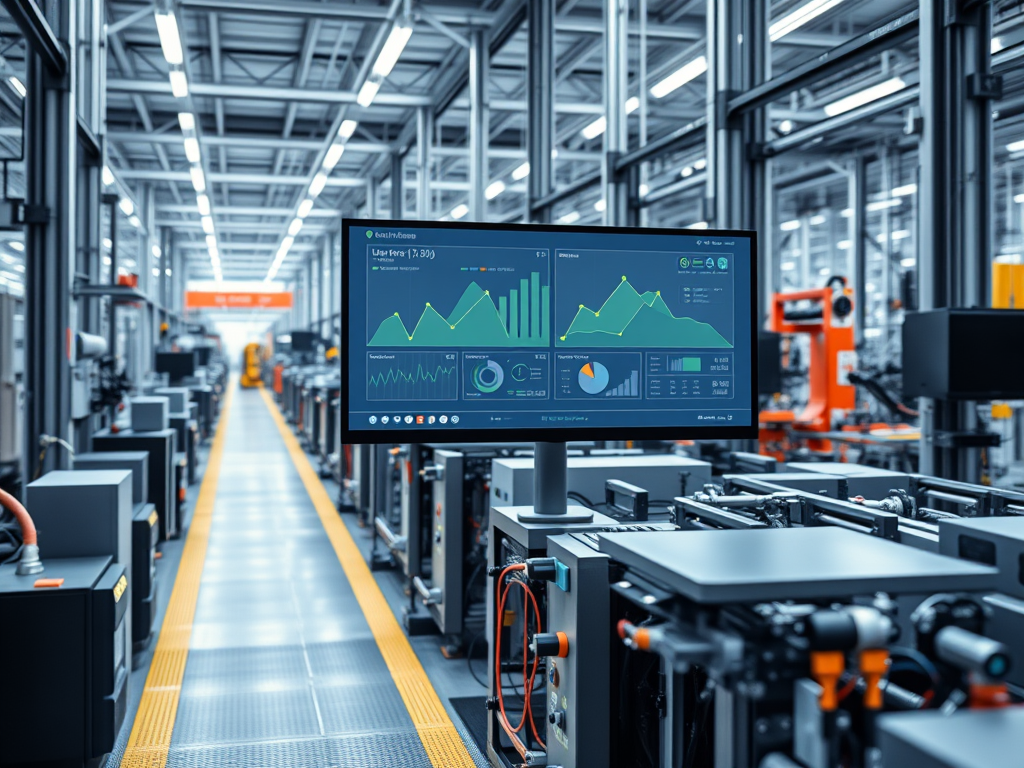
In the heat-press department, real-time machine data — including job details, temperature, and pressure settings — now flows directly into dashboards for supervisors. Instead of reacting after issues occur, teams can monitor performance instantly and identify potential quality or throughput problems early.
This shift illustrates a critical truth in modern manufacturing: timely, trusted data is the foundation for operational excellence.
From Reactive IT to AI-Ready Infrastructure
Before modernization, integration changes required custom development and manual oversight. Today, TRENDS benefits from:
- Reusable integration components
- Standardized governance processes
- Centralized system monitoring
- Faster implementation of new initiatives
- Reduced operational complexity
Most importantly, the new architecture is designed to support future AI use cases.
TRENDS plans to leverage its integration backbone to:
- Integrate a new Product Information Management (PIM) system
- Enhance product data quality
- Improve ecommerce experiences
- Align with evolving product-data standards
- Enable forecasting and intelligent production scheduling
Because the integration foundation is already in place, future innovation won’t require rebuilding connectivity from scratch.
If you’re evaluating integration platforms, you may also want to read:
👉 Boomi vs Workato: Which Integration Platform Is Better for Manufacturing?
What This Means for Manufacturing Leaders
Many manufacturing organizations face similar challenges:
- Legacy systems that don’t communicate effectively
- Custom integrations that create technical debt
- Data silos limiting analytics and AI initiatives
- Slow response times to operational changes
A modern integration platform like Boomi offers more than connectivity — it provides:
- Unified integration and automation
- Centralized governance and monitoring
- Real-time data synchronization
- Scalable architecture for AI transformation
Digital transformation in manufacturing is no longer about adopting isolated tools. It’s about creating a reliable, flexible data backbone that supports continuous evolution.
Final Thoughts
TRENDS’ transformation demonstrates that integration is not just an IT project — it is a strategic business investment.
By unifying over 50 systems into a scalable, near-real-time infrastructure with the Boomi Enterprise Platform, TRENDS has positioned itself to:
- Make faster, data-driven decisions
- Reduce operational risk
- Improve customer responsiveness
- Accelerate AI-driven innovation
For manufacturers looking to modernize legacy environments and prepare for AI-driven operations, building a governed integration backbone is the critical first step.


Leave a Reply