

Boomi vs Workato vs Activepieces: Updated Comparison in 2026 is a topic many teams are actively researching as integration and automation platforms evolve rapidly. With enterprises demanding stronger governance and AI-driven automation—while startups prioritize speed and cost—choosing the right iPaaS platform has become more strategic than ever.
In this article, we compare Boomi, Workato, and Activepieces across architecture, automation capabilities, AI readiness, governance, and ideal use cases in 2026.
Platform Overview
Boomi (Enterprise iPaaS Leader)
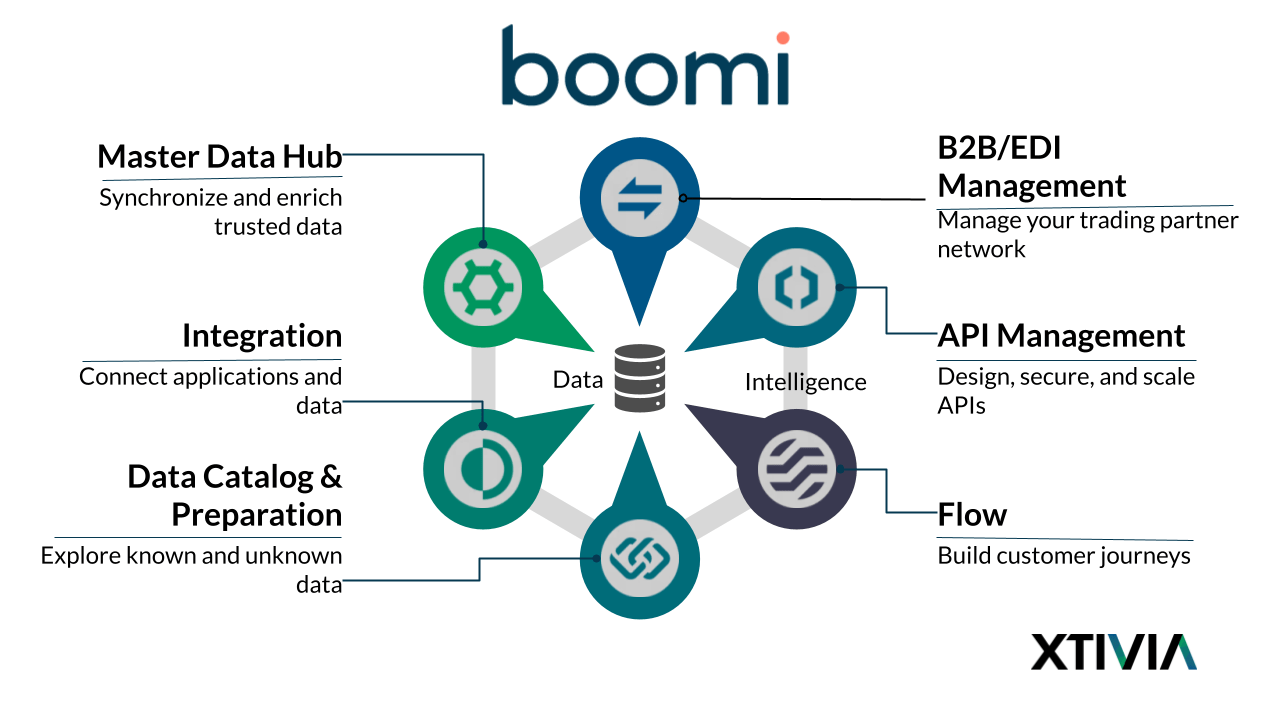
Boomi continues to be a top choice for large enterprises that need robust integration, API management, and governance. Its cloud-native platform supports hybrid and multi-cloud environments, making it ideal for organizations with complex legacy systems.
Strengths:
- Mature iPaaS with strong enterprise governance
- Excellent hybrid integration support
- API management and data integration at scale

Workato (Automation-First iPaaS)
Workato positions itself as an automation-first platform with deep workflow orchestration and strong AI adoption. In 2026, Workato’s focus on AI agents and MCP-based orchestration makes it attractive for enterprises prioritizing intelligent automation.
Strengths:
- Powerful business process automation
- Strong AI and agent-based workflows
- Excellent SaaS-to-SaaS integrations
Activepieces (Open-Source & Developer-Friendly)
Activepieces is gaining attention as an open-source alternative to traditional iPaaS platforms. It appeals to startups and engineering-led teams that want flexibility, self-hosting, and cost control.

Strengths:
- Open-source and self-hostable
- Low cost and flexible deployment
- Strong developer appeal
Feature Comparison (2026)
| Feature | Boomi | Workato | Activepieces |
|---|---|---|---|
| Target Audience | Large enterprises | Mid-to-large enterprises | Startups & SMBs |
| Integration Depth | ⭐⭐⭐⭐⭐ | ⭐⭐⭐⭐ | ⭐⭐⭐ |
| Automation Focus | Medium | ⭐⭐⭐⭐⭐ | ⭐⭐⭐⭐ |
| AI & Agents | Growing | ⭐⭐⭐⭐⭐ | Emerging |
| Governance & Security | ⭐⭐⭐⭐⭐ | ⭐⭐⭐⭐ | ⭐⭐ |
| Open Source | ❌ | ❌ | ✅ |
AI & Automation Capabilities
In the Boomi vs Workato vs Activepieces: Updated Comparison in 2026, AI adoption is a major differentiator.
- Boomi is expanding AI-assisted integration and API intelligence while maintaining strict enterprise governance.
- Workato leads in AI automation, with agent-driven workflows and orchestration across multiple systems.
- Activepieces supports AI integrations but relies more on custom development and community-driven innovation.
For organizations prioritizing AI-driven automation, Workato currently has the edge in 2026.
Governance, Security, and Compliance
Governance remains a critical factor in enterprise environments:
- Boomi offers the strongest governance, role-based access control, and compliance features.
- Workato balances flexibility with enterprise-grade security.
- Activepieces, while flexible, requires teams to manage governance themselves—making it better suited for smaller teams.
Pricing & Cost Considerations
- Boomi and Workato follow enterprise subscription pricing, which can be costly but includes support, security, and scalability.
- Activepieces stands out with its open-source model, significantly lowering entry costs for startups and cost-conscious teams.
Which Platform Should You Choose in 2026?
Choosing between Boomi vs Workato vs Activepieces depends on your organization’s priorities:
- Choose Boomi if you need enterprise-grade integration, governance, and hybrid support.
- Choose Workato if your focus is automation, AI agents, and rapid workflow orchestration.
- Choose Activepieces if you want a low-cost, open-source, developer-friendly automation platform.
Final Thoughts
In summary, this Boomi vs Workato vs Activepieces: Updated Comparison in 2026 provides a practical framework for selecting the right integration and automation platform based on business size, complexity, and long-term strategy.
The Boomi vs Workato vs Activepieces: Updated Comparison in 2026 highlights how diverse the iPaaS landscape has become. Enterprises are no longer choosing just an integration tool—they are selecting a platform that aligns with their automation strategy, AI roadmap, and governance needs.
As iPaaS continues to evolve, understanding these differences will help teams make smarter, future-proof decisions.


Leave a Reply